

Key Takeaways
- ChatGPT does not pay you directly; it helps you deliver paid work faster.
- Freelancing is usually the fastest route to a first client.
- AI-assisted services still require human editing, judgment, and fact-checking.
- Beginners should focus on one service instead of trying ten methods at once.
- Income varies by skill, niche, location, client type, and experience.
- Platform fees, taxes, payment fees, and local regulations reduce your actual take-home income.
- The most sustainable approach is using ChatGPT to strengthen an existing skill.
Table of Contents
+- Introduction
- ChatGPT Money-Making Methods at a Glance
- 1. Freelance Writing and Content Services
- 2. AI-Assisted Blogging and SEO Content Systems
- 3. Virtual Assistant and Inbox/Calendar Management
- 4. AI Chatbot Setup for Small Businesses
- 5. Resume Writing and Career Document Services
- 6. Translation and Localization Support
- 7. Online Tutoring and Study Support
- 8. E-commerce Product Descriptions and Listing Optimization
- 9. Small Business Consulting on AI Workflows
- 10. Digital Products and Templates
- Your 90-Day Action Plan
- Your Beginner Checklist
- Frequently Asked Questions
- Regional Considerations
- Final Thoughts
- Sources
If you’re wondering how to make money with ChatGPT in 2026, the answer is not getting paid by ChatGPT itself. It’s a tool that speeds up work people already get paid for — writing, research, customer support, planning, and analysis.
Early freelance projects may range from small one-off payments to several hundred dollars, while reaching consistent monthly income usually takes longer and depends heavily on the service, market, and client acquisition. None of this is passive. Platform fees, taxes, and regional regulations all affect what you actually keep.
Global demand for AI-assisted work is real. McKinsey’s most recent organizational survey, covering nearly 2,000 executives across 105 countries, found that 88 percent of respondents said their organizations use AI in at least one business function, while 79 percent reported using generative AI specifically. But the same research shows a clear gap between adoption and measurable results — only 39 percent of organizations reported enterprise-level EBIT impact from AI, and roughly two-thirds are still in experimentation or piloting phases rather than full-scale deployment. That gap is where individual freelancers and small operators tend to find opportunity, because businesses that know AI matters but don’t know how to use it well will pay someone who does.
Across the freelance and small-business market, the opportunity is shifting from simply using AI to delivering a measurable result with it. This guide walks through ten methods that hold up to scrutiny in 2026 — not screenshots of inflated income claims, but the actual mechanics of freelance writing, virtual assistance, chatbot setup, content systems, tutoring, translation support, resume and career services, e-commerce support, small-scale consulting, and productized digital products. Every section includes realistic income ranges, the tools involved, and the honest downsides.
You’ll also find a 90-day action plan, a checklist you can adapt to your region, and answers to the questions people search for most — including whether this still works now that the market is more crowded than it was two years ago. Short answer: yes, but only if you treat it like actual work. If you’re new to online income, start with these 15 realistic ways to make money online in 2026 before choosing a specific method.
One caveat before we start. Where reliable, sourced data exists, we’ve included it. Where it doesn’t, we say so rather than inventing a number that sounds convincing.
For beginners, these are some of the most practical ways to make money with ChatGPT without relying on unrealistic income promises.
Now let’s look at the ten practical ways you can use ChatGPT to turn existing skills into paid work.
ChatGPT Money-Making Methods at a Glance
| Method | Best For | Difficulty | Time to Start | Income Potential |
|---|---|---|---|---|
| Freelance Writing | Writers & beginners | Easy | Fast | Medium–High |
| AI-Assisted Blogging | Bloggers & SEO users | Medium | Slow | High |
| Virtual Assistance | Organized beginners | Easy–Medium | Fast | Medium |
| AI Chatbot Setup | Tech-oriented users | Medium | Medium | High |
| Resume Writing | Career/content writers | Easy–Medium | Fast | Medium |
| Translation & Localization | Multilingual users | Medium | Medium | Medium–High |
| Online Tutoring | Teachers & subject experts | Easy–Medium | Fast | Medium–High |
| E-commerce Listings | Copywriters & sellers | Easy–Medium | Fast | Medium |
| AI Workflow Consulting | Experienced professionals | Hard | Slow | Very High |
| Digital Products | Creators & marketers | Medium | Medium | High |
1. Freelance Writing and Content Services
This is still the most direct path, and it’s the one with the most competition. Businesses need blog posts, product descriptions, email sequences, and website copy, and ChatGPT genuinely cuts drafting time — though clients are increasingly wary of content that reads as obviously AI-generated, which means the actual skill being sold is editing, structuring, and researching, not typing.
What You Do: A client gives you a topic or brief, you use ChatGPT to build an outline and a first draft, then you rewrite, fact-check, and add specifics the model couldn’t know — client voice, internal data, recent developments.
How ChatGPT Helps: Speeds up drafting, outlines, and research summaries.
How You Get Clients: Freelance platforms like Upwork and Fiverr remain the easiest entry points; direct outreach on LinkedIn works better once you have three or four samples to show. If you’re still deciding which freelance service to offer, explore these 25 best freelance skills to learn in 2026.
Realistic Income Range: Beginner rates can vary widely, but small content projects may start around the lower end of the freelance market, while experienced writers can charge substantially more for specialized or long-form work. A UK-based freelancer working with US clients might invoice in USD or GBP depending on the platform; Wise or Payoneer are commonly used to avoid heavy bank conversion fees. Remember that your actual take-home income will be lower after platform fees, payment processing, and currency conversion.
The Catch: Content mills that pay very little per article are everywhere, and they’re a trap. They pay just enough to feel like progress while training you to work at a rate that never scales. Skip them and go straight for small businesses or niche publications instead.
2. AI-Assisted Blogging and SEO Content Systems
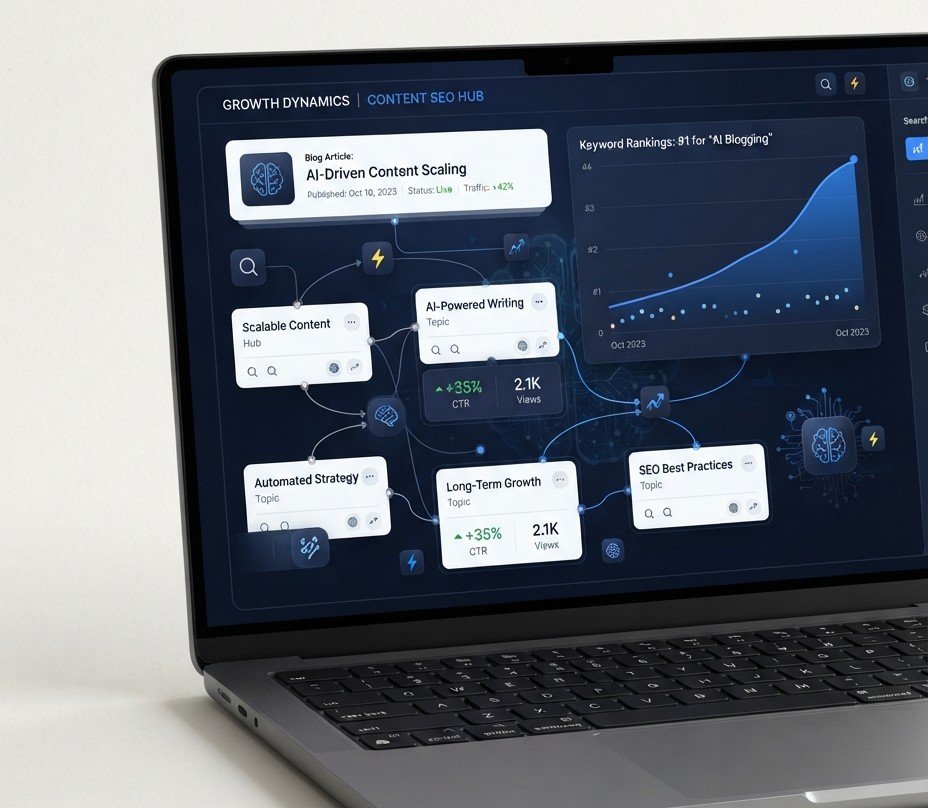
Different from one-off freelance writing: this is building your own blog or niche site, using ChatGPT to speed up research, outlining, and drafting, then monetizing through affiliate links, display ads, or your own digital products.
This is slower to pay off than client work but compounds over time in a way freelance gigs don’t. A blog built consistently over 6-12 months with real SEO structure can produce ongoing income later, though “passive” is relative — it still needs updates, link-building, and monitoring of search rankings. For a deeper look at long-term online income, read our guide on building digital assets that generate income for years.
Realistic Income Range: Many blogs earn little to nothing in the first few months, then anywhere from modest monthly income to several thousand dollars by month twelve, depending heavily on niche competitiveness and consistency. Personal finance, AI tools, health, and technology niches tend to have the strongest advertiser demand but also the most competition.
What’s missing from most guides on this topic: the actual bottleneck usually isn’t writing speed — ChatGPT solves that — it’s search intent research and internal linking structure. Sites that rank well in 2026 tend to build topic clusters (a group of related articles that link to each other) rather than isolated posts, something worth planning before you write article one.
3. Virtual Assistant and Inbox/Calendar Management
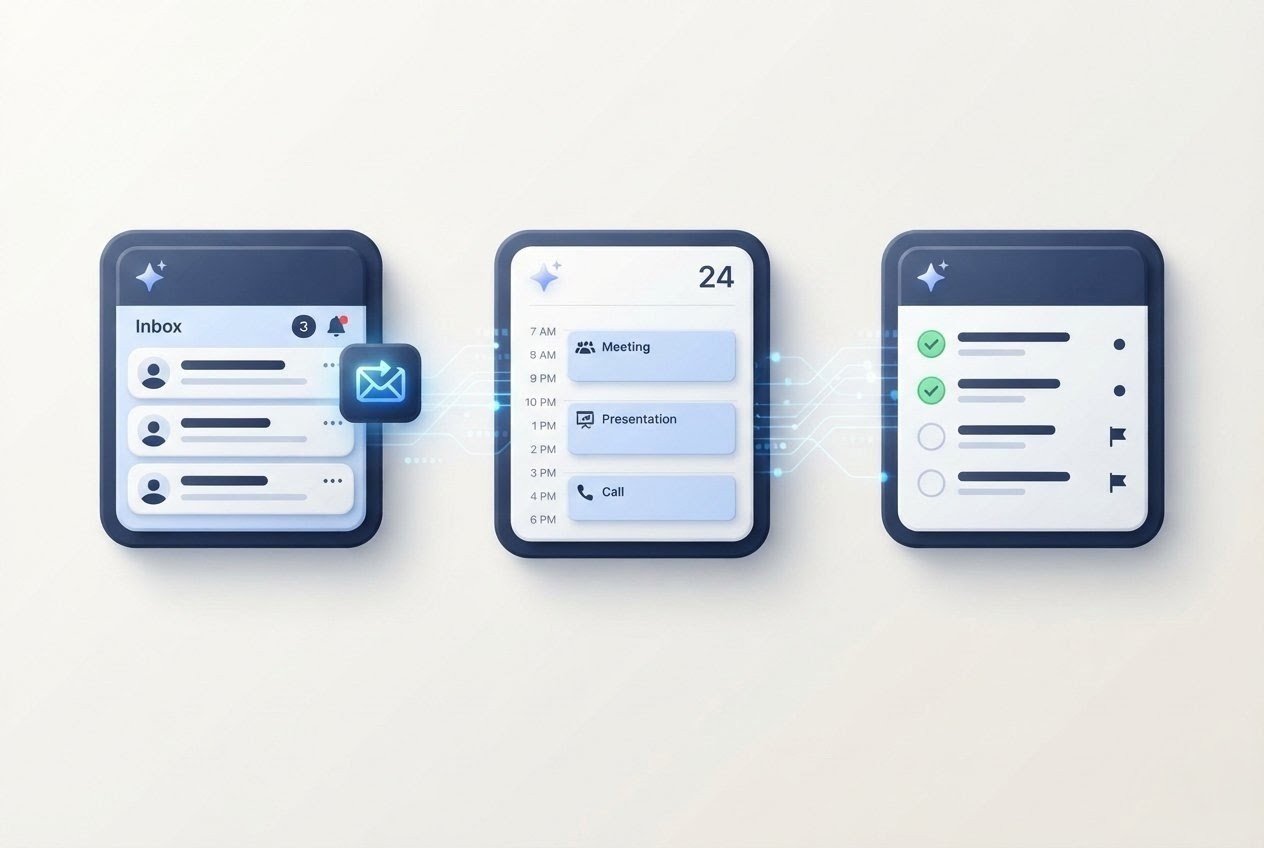
Busy executives and small business owners routinely pay for someone to manage email triage, scheduling, and basic admin — and ChatGPT speeds up drafting replies, summarizing long email threads, and building simple SOPs for repetitive tasks.
This tends to suit people who already have some administrative or executive assistant background, since clients are trusting you with access to their inbox or calendar — a real responsibility, not just a task list.
Realistic Income Range: Rates vary by market and experience, sometimes structured as a flat monthly retainer for a set number of hours per week. Rates in South and Southeast Asia are often lower in USD terms but can represent strong local income relative to cost of living.
Data & Privacy Note: In the EU, if you’re handling a client’s customer correspondence, check whether any of that data falls under GDPR obligations the client needs you to follow — this is the client’s responsibility to disclose, but worth asking about directly.
4. AI Chatbot Setup for Small Businesses
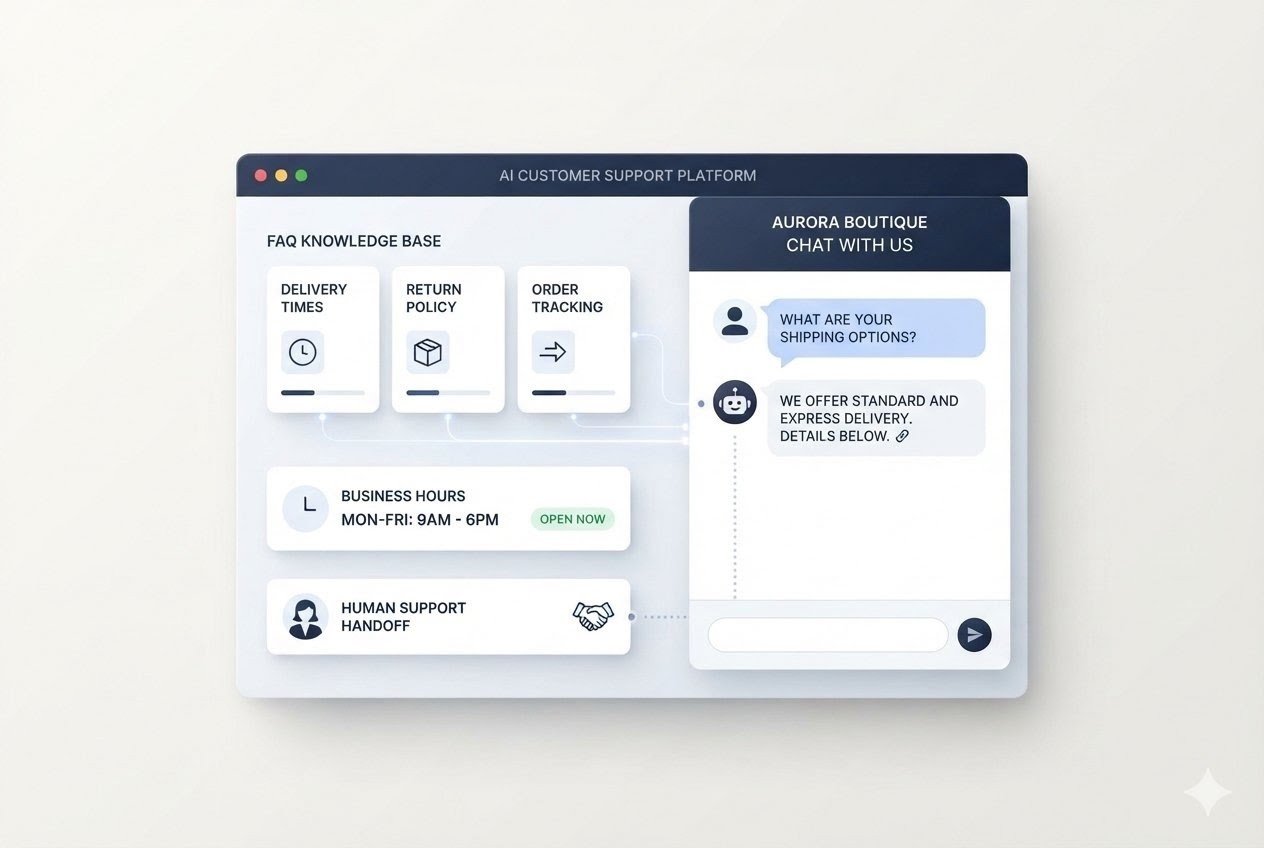
Many small businesses know they should have a chatbot on their website or social media but have no idea how to build one. This isn’t about training a model from scratch — it’s about configuring existing no-code tools around a business’s FAQs, hours, and common customer questions.
What You Do: Set up and configure chatbot tools using no-code platforms, integrate them with the business’s website or social channels, and provide basic training.
How ChatGPT Helps: Drafts response templates, FAQ content, and conversation flows.
How You Get Clients: Small business outreach, freelancing platforms, or business directories.
Realistic Income Range: Setup projects can range from a few hundred to several hundred dollars depending on complexity, plus optional monthly maintenance retainers.
The Catch: Chatbots built on generic FAQs and left unmonitored produce bad customer experiences fast. Clients who don’t understand this will blame you when the bot gives a wrong answer, so setting expectations and building in a clear handoff-to-human process is part of the actual service, not an extra.
5. Resume Writing and Career Document Services
Global job markets tightened in 2025-2026 across several sectors, which increased demand for resume rewrites, LinkedIn profile optimization, and cover letter services — a category where ChatGPT is genuinely well-suited, since it’s fundamentally a language-restructuring task.
What You Do: Rewrite resumes, optimize LinkedIn profiles, and draft cover letters for job seekers.
How ChatGPT Helps: Generates first drafts, suggests alternative phrasing, and helps structure content.
How You Get Clients: LinkedIn, freelance platforms, job forums, and direct outreach.
Realistic Income Range: Projects can range from small one-time payments to higher fees for executive-level clients. This works across regions with minor adaptation — US resumes tend to be one page and achievement-focused, UK CVs can run two pages, and continental European CVs often include a photo and personal details that would be unusual (and in some cases legally risky to ask about) on a US resume. Knowing these regional conventions is part of what you’re actually selling.
6. Translation and Localization Support
ChatGPT handles a first-pass translation reasonably well for many language pairs, but businesses expanding into new markets need more than literal translation — they need localization, meaning tone, idiom, and cultural context adjusted for the target market. That’s where a human translator using ChatGPT as a drafting tool, rather than a final product, adds real value.
Realistic Income Range: Rates vary heavily by language pair and specialization (legal and medical translation command more). This is one of the more genuinely global opportunities on this list, since demand exists everywhere companies are trying to enter new markets.
7. Online Tutoring and Study Support
ChatGPT is widely used as a study aid already, which has created demand for tutors who can use it well — building practice questions, explaining concepts multiple ways, or helping students structure essays without simply writing the essay for them (a distinction that matters for academic integrity, and one tutors need to be explicit about with students and parents).
Realistic Income Range: Rates vary by subject, level, and region. This tends to work best combined with an existing subject credential or demonstrated expertise — parents and adult learners are paying for judgment about what to study, not just access to a chatbot they could use themselves.
8. E-commerce Product Descriptions and Listing Optimization
Online sellers on Amazon, Etsy, and Shopify constantly need new product descriptions, and ChatGPT speeds up producing first drafts that a skilled copywriter then tightens for conversion — the actual selling language, not just description.
What You Do: Write and optimize product listings for e-commerce platforms.
How ChatGPT Helps: Generates draft descriptions, suggests keywords, and provides variations.
How You Get Clients: E-commerce forums, freelancing platforms, and direct outreach to sellers.
Realistic Income Range: Beginner projects may start modestly, often bundled into packages of multiple listings. Platform-specific knowledge matters here. Amazon listings need to work within character limits and keyword-search behavior specific to Amazon’s algorithm; Etsy buyers respond to different language entirely, often more personal and story-driven. Generic “AI-written” descriptions that ignore these differences tend to underperform, which is exactly the gap a skilled freelancer fills.
9. Small Business Consulting on AI Workflows
This is the highest-ceiling option on this list and also the one requiring the most credibility to charge well for. Businesses that have decided AI matters but don’t know where to start will pay for someone to map out where automation actually saves time — customer service scripts, internal documentation, meeting summaries — and set it up for them.
Given how uneven AI adoption still is — McKinsey’s research found that only 39% of organizations report measurable EBIT impact from AI, with roughly two-thirds still in experimentation — there’s real demand for people who can bridge that specific gap rather than just demonstrating that ChatGPT exists.
Realistic Income Range: Consulting rates can range significantly, often structured as hourly or project fees depending on business size and region. This requires you to actually understand a business’s operations well enough to spot where automation helps and where it creates new risk. It’s not a starting point for most beginners — it’s usually the fourth or fifth service someone adds after building credibility with simpler work.
10. Digital Products and Templates
Prompt packs, planning templates, and small digital guides built with ChatGPT’s help can be sold on platforms like Gumroad, Etsy, or a personal website. This can be quick to first sale in some cases but also the most saturated, since the barrier to entry is close to zero.
Realistic Income Range: Highly variable — many digital products earn modest amounts monthly, while a genuinely well-marketed one in an underserved niche can produce more. There isn’t reliable aggregate data on typical earnings here, and any guide claiming a precise average is guessing. What separates the products that sell from the ones that don’t usually isn’t the content itself — it’s whether the creator has an existing audience or distribution channel (a newsletter, a following, an SEO-driven blog) to sell into. Building the product is the easy part in 2026; getting anyone to see it is the actual work.
Your 90-Day Action Plan
Days 1-14: Pick one method from this list based on a skill you already have — not the one that sounds most exciting. Set up a free ChatGPT account and, if budget allows, consider the paid tier once you’re doing paid work regularly. Create a profile on one platform (Upwork, Fiverr, or LinkedIn depending on the method) and build three sample pieces of work.
Days 15-30: Send 10-15 outreach messages or apply to 10-15 relevant listings a week. Expect a low response rate — this is normal, not a sign you’re doing it wrong. Land your first paid gig, even at a modest rate; the goal is a testimonial, not a paycheck.
Days 31-60: Raise your rate by 15-25 percent once you have two or three completed projects and at least one testimonial. Start tracking which types of clients or projects pay best relative to time spent, and lean into that pattern.
Days 61-90: Use days 61-90 to aim for a repeatable client-acquisition process and your first consistent monthly revenue, rather than treating a specific income number as guaranteed. Decide whether to specialize deeper in one method or add a second income stream — most people are better off doing the former before the latter.
Your Beginner Checklist
- Free ChatGPT account set up, paid tier considered once income justifies it
- Portfolio with 3+ samples relevant to your chosen method
- Profile live on at least one platform (Upwork, Fiverr, LinkedIn, or a personal site)
- Payment method set up for international transfers (Wise, Payoneer, or Stripe)
- Basic understanding of your local tax obligations for freelance income
- A written process for handling any client data responsibly, especially under GDPR (EU/UK clients) or CCPA (California clients)
- A rate card, even an informal one, so pricing conversations don’t start from zero
- A simple contract or scope-of-work template to avoid disputes over deliverables
Frequently Asked Questions
Yes — but the money doesn’t come from ChatGPT itself. It comes from using it to deliver work faster and more efficiently. The market is more competitive than 2023-2024, but demand for people who can use AI tools to produce measurable results has continued to grow.
Start with a skill you already have. Writing, editing, tutoring, research, administrative support, and translation are all established freelance categories where ChatGPT can speed up the work. Focus on one method rather than trying everything at once.
No. The free tier is enough for most beginners. The paid tier becomes worth it once you’re doing paid work regularly and need faster responses, more advanced features, or higher usage limits.
Freelance writing, virtual assistance, and resume services tend to have the lowest barrier to entry because they build on skills many people already have. “Easiest” doesn’t mean fast or guaranteed — it means the path to a first client is usually shorter than for consulting or digital products.
Income varies widely by skill, niche, location, client type, and experience. Early projects may be modest, while experienced freelancers in high-value niches can earn significantly more. The timeline to consistent income also varies — active freelancers may see early results in weeks, while building a more substantial income stream typically takes months.
Yes, many freelancers use it as a tool to speed up drafting, research, and editing. Clear communication with clients about how you use AI is good practice, and some clients specifically look for freelancers who are proficient with AI tools.
Regional Considerations
United States: Freelance income must be reported to the IRS according to applicable rules. Many freelancers eventually form an LLC for liability protection once income becomes consistent, though this isn’t required to start.
United Kingdom: Register as self-employed with HMRC once you begin trading, and file a Self Assessment return each January. A Ltd company structure becomes worth considering only once income is substantial and consistent.
Europe: VAT treatment for digital services depends on your country of residence and whether clients are businesses or individual consumers — the EU’s VAT rules for cross-border digital services are genuinely complex enough to warrant a local accountant once you’re earning meaningfully.
Asia-Pacific: Strong demand exists both for outbound freelance work (serving US/UK/EU clients) and inbound work helping regional businesses adopt AI workflows, particularly in manufacturing and export-heavy economies where English-language content and communication support is valued.
Middle East: Free zones in hubs like Dubai offer simplified freelance licensing for digital services, worth researching if you’re planning to formalize a small business rather than freelance informally.
Africa: Digital transformation is accelerating unevenly across the continent, and freelancers serving global clients from lower-cost regions can find real income advantages, though banking and payment infrastructure varies significantly by country and is worth confirming before committing to a platform.
Final Thoughts
None of these ten methods are secrets. What separates the people earning real income from the people who tried for two weeks and quit isn’t access to ChatGPT — everyone has that now. It’s whether they picked one method, stuck with it past the discouraging early weeks, and treated the AI as a tool for doing existing work faster rather than a replacement for having a skill in the first place. That’s the pattern that keeps showing up across every region and every method on this list, and it’s the one piece of advice that hasn’t changed since this space started.
Sources
McKinsey & Company, “The State of AI: Global Survey” (2025) and “The State of Organizations 2026”
Industry freelance income guides cross-referenced for realistic rate ranges
Specific individual income figures beyond these ranges vary too widely by skill, niche, and region to state as universal averages, and this guide has avoided doing so where solid data wasn’t available.